
As you copy and learn these new vocab words, remember that only the first one is from our textbook. If you find the word interesting and meaningful, use it in a sentence instead of copying the word many times. In Chinese, this exercise is called 造句, construct a sentence.
- 与;as prep “to” or “from”; e.g. 与人为善shàn(be kind to people) and 与世长辞cí(last exit from the world); as conjunction like “and”; e.g. 罪与罚(Crime and Punishment)、战争与和平(War and Peace)、老人与海(Old Man and Sea)、红与黑(Red and Black)、傲慢与偏见(Pride and Prejudice)
- 夫妻;有夫之妇(married woman);有妇之夫(married man);妻子(wife)、夫妻感情、夫妻一场(once husband-and-wife);
- 1. 她是_____,你别一会请她出去看电影,一会跟她一起去吃饭。别人会说的。
- 退休;退役yì(leaving the army)、 退货huò(return goods)、退钱(refund)、退隐yǐn(go into hermitage)、退步bù(regress)、
- 2. 昨天刚买的电视就不能看了,我现在去找他们______, 一分不能少。
- 博物馆;博爱(love)、博士shì(Ph.D.)、博学(knowledgable)、博览lǎn(well read)、
- 3. 那个老师很______,没有她不知道的东西。
- 散步;进步(progress)、退tuì步(regress)、跑步(jog)、迈mài步(stride)、走步(walk)、散文(essays), 散漫màn(slack, unfocused),散落(luò) scatter,
- 4. 他常常吃完晚饭以后跟太太一起在公园________。
- 锻炼;冶yě炼(smelting)、修xiū炼(cultivation)、
- 圈;圆yuán圈(round circle)、画huà圆圈、面包圈(donuts)、朋友圈(circle of friends)、
- 5. 在他的_______里有很多特别喜欢旅游的人。
- 排;排球(volleyball)、排队duì(line up)、排名(rank by name)、排练(rehearsal)
- 6. 为了在过节的时候把这个歌唱好,他们________了很多次。
- 队;团tuán队、部bù队(army)、军jūn队(troop)、鼓gǔ号队(marching band)、仪yí仗zhàng队(honor guards)、足zú球队(football team)、篮球队(basketball team)、国家队(national team)
- 7. 现在美国的______也开始接受同性恋参加。
- 太极拳;太极(the ultimate)、北极(the Arctic pole)、南极(the Antarctic pole)、积jī极(active)、
- 成为;成长zhǎng(grow)、成立lì(establish)、成年人(grown、adults)、成功gōng(succeed)、成就(accomplishments)、
- 8. 弟弟说大学毕业以后,他想________一名律师。
- 显得;显示shì(indicate)、显要(prominent)、显贵(super rich)、明显(stand out)、
- 9. 虽然父亲死了她很难过,她经常跟朋友打电话聊天,_______跟平常一样。
- 动作;动力lì(power to move)、动机(motivation)、动态tài(dynamics)、动向xiàng(tendency)、运动、
- 10. 谁都不知道他一定要学中文的_______是什么。
- 表演;表达dá(express)、表示shì(express)、表态tài(attitude)、表明(make clear)、表现(show)、表白(confess)
- 11. 上个周末妹妹的同班同学跟她_______了,告诉她他爱她。
- 重视;轻qīng视(with little regard)、忽hū视(neglect)、藐miǎo视(scorn)、鄙bǐ视(look down with contempt)、仰yǎng视(look up with admiration)、监jiān视(servailance)、蔑(miè)视(contempt)、斜xié视、正视、电视(television)
- 12. 他常常______他妻子的一举一动,因为他觉得不能______她对别的男人的想法。每次他看见妻子_______有妇之夫,他就很__________她。
- 注意;愿yuàn意(volition, willling)、民mín意(will of the people)、故gù意(intentionally)、无wú意(inadvertently)、人意(human desires)、恶è意(ill-will)、善shàn意(well wish)、敌dí意(hostility)、情qíng意(sentiments)
- 13. 李老师常常_______到,一个学生_______不做作业, 常常不_______来上她的课。在一次聊天中,她______听到那个学生说,他很担心爸爸没钱看病。知道学生对她并没有______,李老师不再生气, 找时间去看了学生的爸爸,把自己的钱给他,表示对他的_______。
- 偶尔;偶数shù(even number)、偶像xiàng(idol)、偶然rán(by chance)、
- 14. 爸爸是妹妹的______,他说什么,做什么妹妹都觉得佩服(admire)得不得了。
- 身材;木mù材(wood)、人材(human resource)、钢gāng材(steal)、
- 减肥;减免miǎn(reduction)、减税shuì(cut tax)、减息xī(cut interest)、减员yuán(lay off workers)、减少(reduce numbers)
- 15. 我不觉得你需要_________;Angelina Jolie都比你胖。
- 随便;方便(convenient)、简jiǎn便(simple and easy)、即jì便(even if)、大便、小便、
- 16. 那个饭馆是个自助餐厅,你_____吃,想吃什么就吃什么, 想吃多少就吃多少。
- 营养;培péi养(instill, cultivate)、给jǐ养(provision)、豢huàn养(foster),
- 可见;可惜xī(pity)、可爱、可恨hèn(hateful)、可耻chǐ(shameful)、可恶wù(despicable)、可怜lián(charitable)、可能(possible)、可以、可行xíng(doable)、
- 17. 她什么都买最贵的、最好的,________ 她一点也不在乎钱。
- 科学;科技jì(science and technology)、科幻huàn(science fiction)、科举jǔ(civil service exam)、
- 必须;必要(necessary)、必行(actions necessary)、
- 补充;补考kǎo(retake exam)、补贴tiē(subsidize)、补救jiù(remedy)、补衣服(amend worn-out clothes)、补丁dīng(patches on clothes)
- 18. 运动以后,你最好多喝饮料,给自己的身体________一些水。
- 睡眠;安眠(sound sleep)、安眠药(sleeping pills)、冬dōng眠(winter hibernation)
- 19. 最近妈妈的_________非常不好,常常觉得很累。
- 否则;否认(deny)、否决(veto)、是否、
- 20. 你最好马上跟她说对不起,_____她会把你做的坏事告诉你父母。
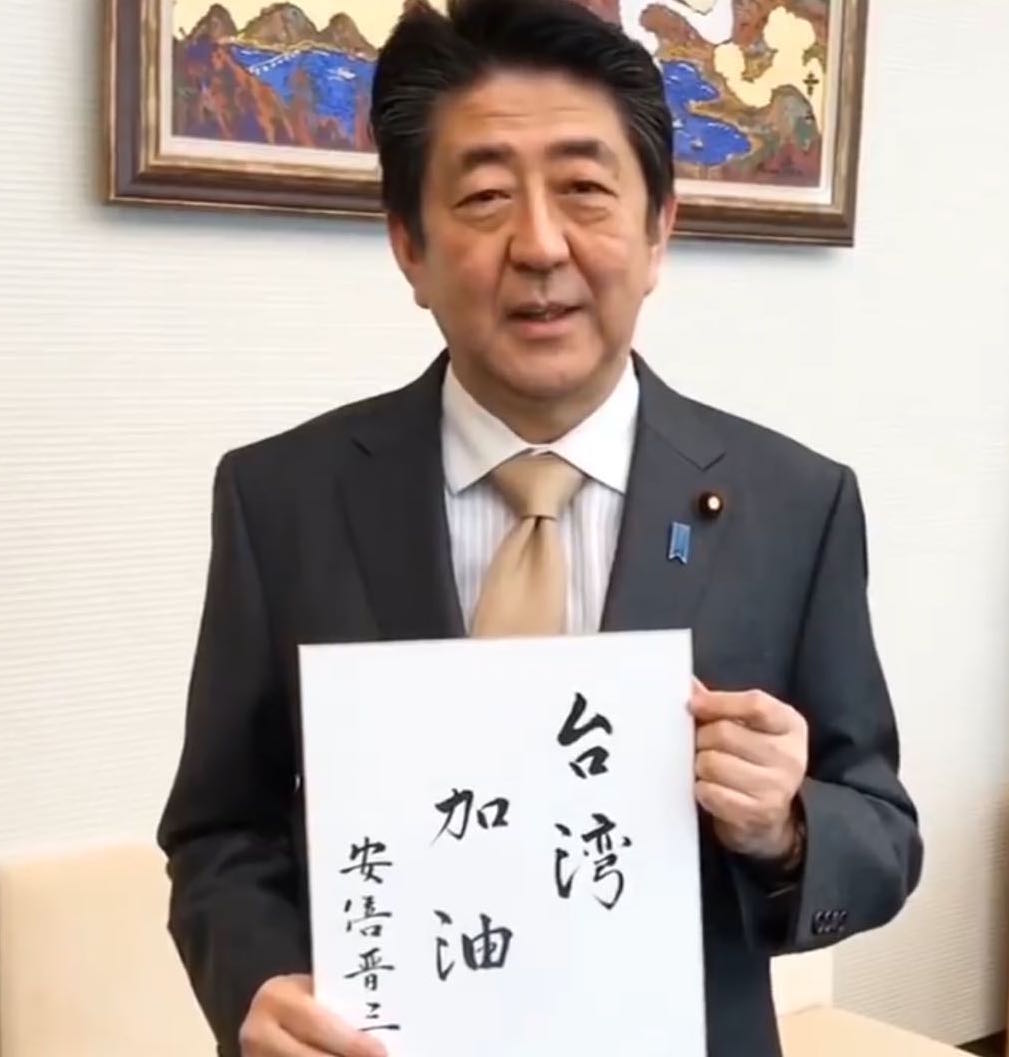
- 加油 jiā yóu, courage, come on, cheer up
Intermediate Chinese II vocabulary of lessons 1, 2, 3, 4, 5, 6, 7, 8, 9, and 10.